Ingress and egress easements are another big one. These come up when a piece of land has no direct access to a public road, so the owner has a legal right to cross a neighbor's property to get in and out. If you buy a home that someone else's driveway crosses, that neighbor likely has an easement giving them the right to be there. You can't block it, fence it off, or revoke it — it's not up to you.
Then there are drainage easements, which let water flow through a designated area of your property, and conservation easements, which restrict development in exchange for a tax benefit to a previous owner. Homeowner associations sometimes hold easements over common areas too.
So when people are trying to understand what is a property easement and how does it affect you as a buyer or current owner, the practical answer usually comes down to a few key questions: Can you build on it? Can you fence it off? Can you landscape it freely?
In most cases, the answers are no, no, and it depends. Easement holders typically have the right to remove anything you place in the easement area if it interferes with their access or use. Some homeowners find this out the hard way when they put up a fence or a shed on what they thought was their land, only to have it removed at their expense.
That said, easements aren't unlimited. They only cover the specific use they were granted for. A utility company with an underground power line easement doesn't have the right to store equipment in your yard or use the space for anything beyond maintaining that line. If someone is overstepping their easement rights, that's a legal matter worth addressing.
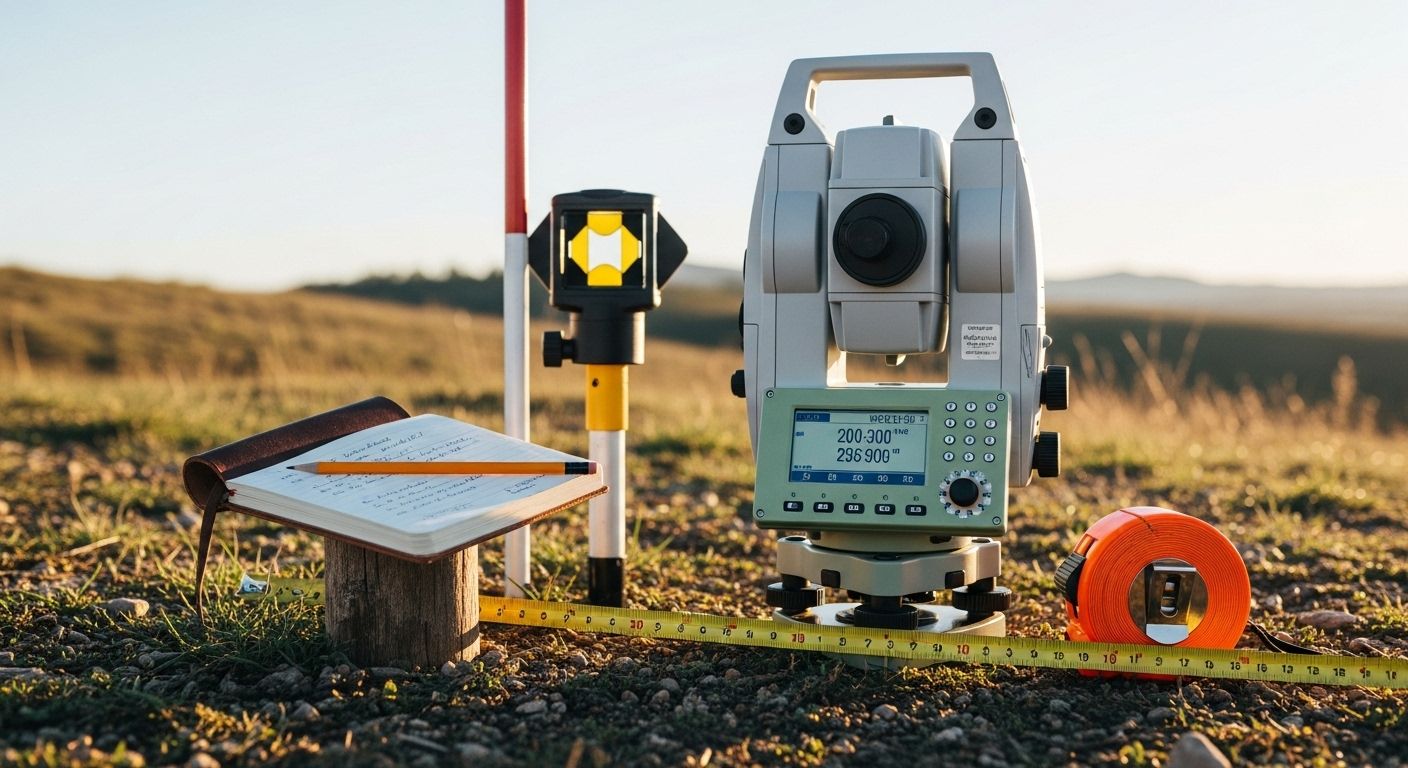
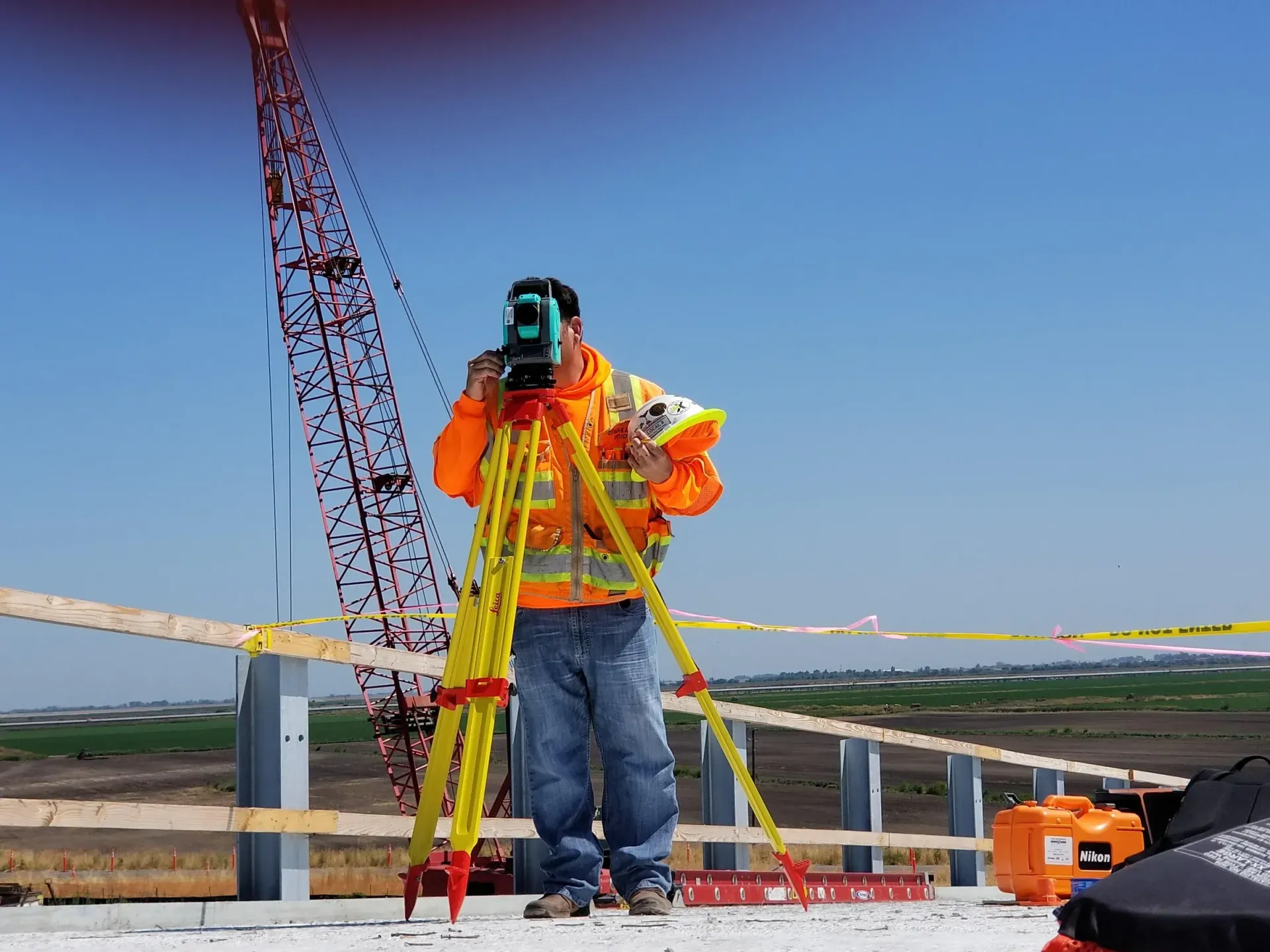
Before you buy any property, ask your title company or real estate attorney to walk you through any easements on the parcel. They'll show up in the title commitment, and sometimes on a survey. They're not always dealbreakers — most homes have utility easements and it's a total non-issue — but you want to know about them before you start planning where to put the pool or the detached garage.
Easements are one of those things that feel obscure until they directly affect a plan you had for your property. At that point, they feel very real, very fast. Better to understand what's there before you close than to discover it mid-project.