
The uncomfortable truth is that a lot of homeowners have no real idea where their legal property lines are. They assume the old fence marks the boundary. They trust the stakes that were put in years ago. They go off what the previous owner told them at closing. None of that is reliable. Survey pins can be moved accidentally by utility workers or landscapers. Old deeds can contain vague descriptions that made sense in 1952 but are open to interpretation today. Fences get installed based on someone's best guess and then stand for decades as if they're gospel.
How Accurate Are Property Lines and What Happens When Neighbors Disagree?
Boundary disagreements between neighbors are one of the most common and frustrating situations a homeowner can find themselves in. Sometimes they start with a fence going up in the wrong spot. Sometimes it's a driveway that gradually crept a few feet over the years. Sometimes it's a new neighbor who pulls out an old deed and suddenly claims a strip of your yard belongs to them. Whatever the trigger, property line accuracy in a neighbor dispute almost always comes down to the same core question: what does the legal record actually say, and has anyone verified it recently?
Do You Need a Land Survey Before Buying a Home? Probably More Than You Think
Get a Free Quote
Contact Us
Why Choose a Licensed Land Surveyor in Colorado Springs?
Satisfied Clients


The first thing to do when a boundary question comes up — before you say a word to your neighbor, before you call a lawyer, before you do anything — is pull your property deed and any existing survey documents. If you don't have them, a title search through your county recorder's office can usually turn them up for somewhere between $75 and $200. Read the legal description carefully. It will describe your boundary lines using measurements, angles, and sometimes reference points. If it sounds like a foreign language, that's normal — that's what surveyors are for.
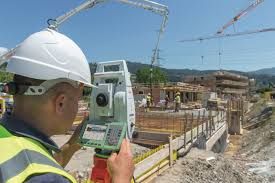
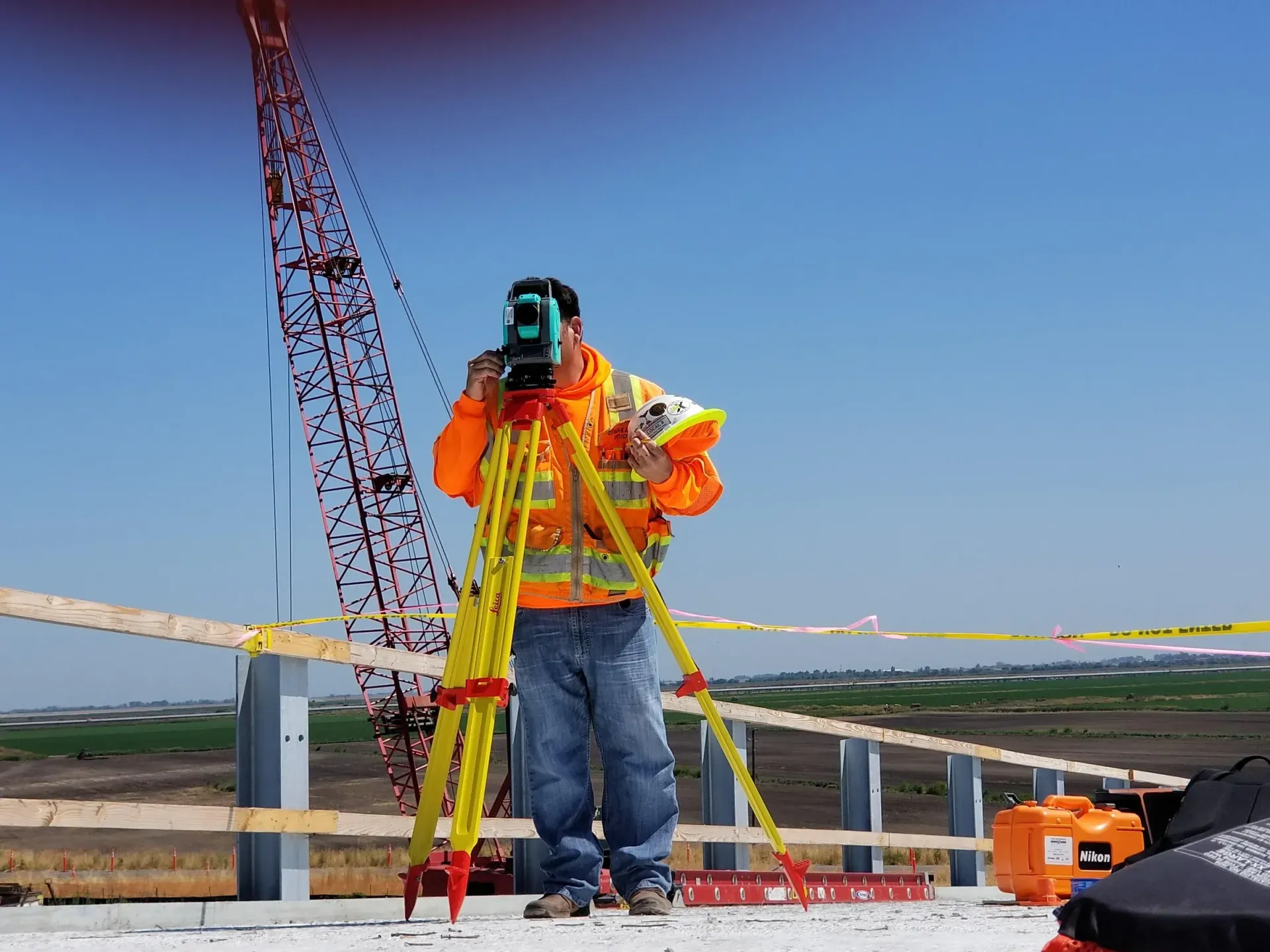
If the documents raise more questions than they answer, or if there's a genuine dispute about where the line falls, hiring a licensed land surveyor is the most important step you can take. This isn't optional if you want a resolution that actually holds up. A professional survey uses historical records, deed descriptions, physical markers, and modern measurement techniques to establish exactly where your boundaries lie. The resulting report is a legal document — it carries real weight if the dispute goes further, and it gives both parties objective, professionally verified information to work from rather than competing opinions. Survey pins can sometimes be inaccurate due to interference from previous owners or outside work on the property, which is precisely why a fresh professional survey is worth the cost when property line accuracy and a neighbor dispute are in play.
One thing people often get wrong is assuming their neighbor is trying to steal land. More often than not, boundary issues are genuinely the result of honest confusion — an old fence that drifted, a driveway poured without a proper survey, a deed that was never crystal clear in the first place. Approaching the conversation with your neighbor calmly and with documentation in hand is almost always more productive than going in accusatory. Many disputes resolve quickly once both parties see the same survey results from a neutral professional. Surveyors are trained to be objective — they're not advocating for either side, they're just reporting what the records and measurements show.
If you and your neighbor can't agree even after a survey, there are escalation options that don't have to mean an immediate court battle. Mediation with a neutral third party experienced in real estate matters is a reasonable middle step — it's less expensive than litigation, and a skilled mediator can help both parties understand the realistic outcomes if the matter did go before a judge. In some states, both parties can also enter into a formal boundary line agreement, which is a legally binding document signed by both neighbors that definitively establishes the line going forward, eliminating any future ambiguity.
If mediation fails and the encroachment is significant enough, legal action is sometimes unavoidable. A real estate attorney can file an injunction to stop ongoing encroachment, seek removal of structures that cross the legal line, or pursue damages if the situation warrants it. But this is really the last resort — litigation is expensive, slow, and tends to permanently sour a neighborly relationship that you'll have to live with for years.
The honest bottom line on property line accuracy and neighbor disputes is this: don't assume, and don't delay. Get the actual documents. Commission a survey if there's any meaningful question. Have the conversation early, with facts rather than feelings, and give your neighbor the chance to resolve it without lawyers involved. Most of the time, that's all it takes.
Colorado Springs Land Surveyor Near Me?
Broadmoor, CO
Northgate, CO
Briargate, CO
Flying Horse, CO
Old North End, CO
Cathedral Pines, CO
High Forest Ranch, CO
Cedar Heights, CO
Peregrine, CO
Winsome, CO
Rockrimmon, CO
Cordera, CO
Wolf Ranch, CO
Black Forest, CO
Monument, CO
Manitou Springs, CO